
Small-group birdwatching trips into the
Birdwatching and nature photography by slow boat, through the channels, lakes and reedbeds of Europe’s largest wetland.
recorded on these routes
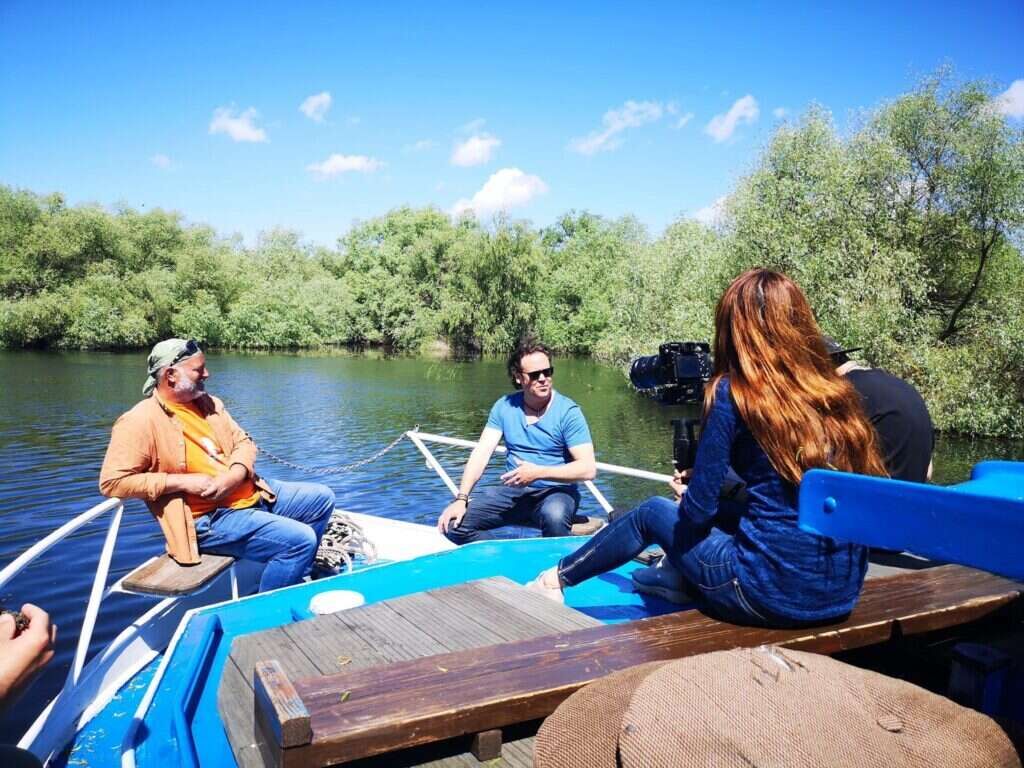
one boat, a handful of people
the season worth travelling for
EN / RO / FR / DE
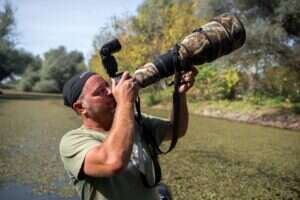
Ornitholog, nature photographer and writer. Guides every trip and skippers the boat.
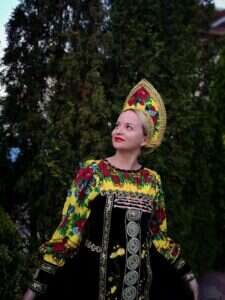
Cooks aboard CODRUTZ. Lipovan, from the Delta’s Russian community, and a former MasterChef Romania contestant.
In 2000, on the shore at Sulina, Mihai Baciu found nine white-tailed lapwing — Chettusia leucurus — in courtship display. It was the first time that display had been recorded in Europe. The name stayed with him, and in time it became the boat, the camera, and the company.
Before that he spent ten years as a ranger with the Danube Delta Biosphere Reserve, which is where the Delta stopped being a map and became a place he knew by its channels. He has since written four books on the birds of the Delta, translated into English, French, German and Italian, and exhibited his photography in Tulcea, Bucharest, France and Luxembourg.
Each window is chosen for migration, breeding or light. Groups stay small and fill in the order people book.
Group size
Departs
Price
Group size
Departs
Price
Group size
Departs
Price
Group size
Departs
Price
Dates, group size, and what you most want in the viewfinder. Send those three and you will get a straight answer about what the Delta is doing that week.
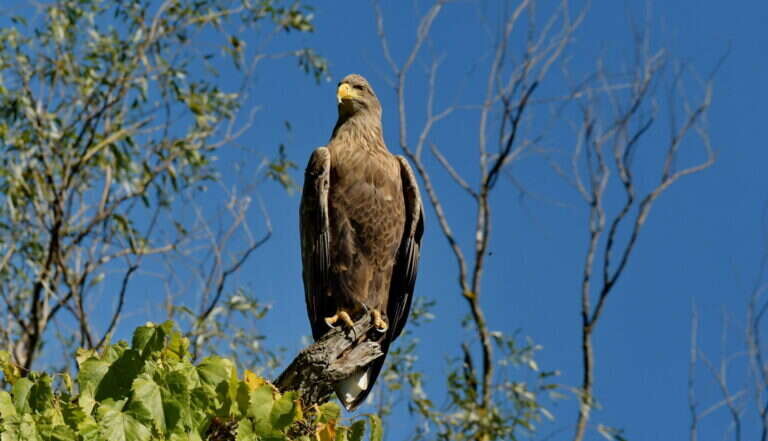
One of the largest birds in Europe, a symbol of the birds of the delta. The Danube Delta is home to a population of approximately 80 individuals of this magnificent bird.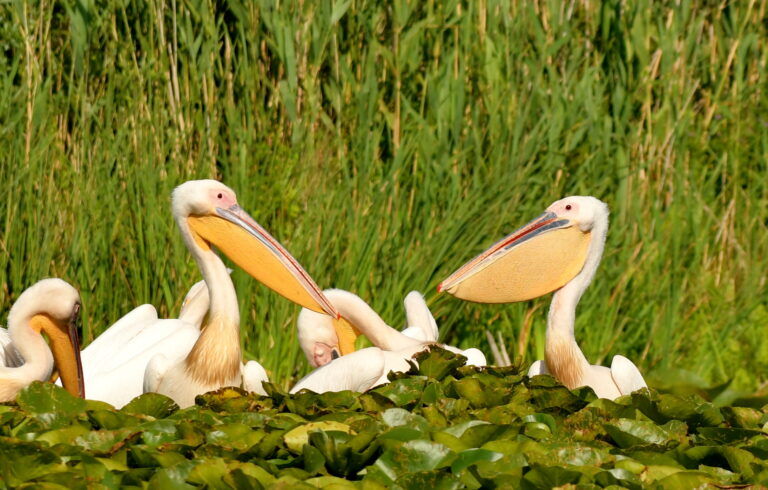
Pelicans are the iconic birds of the Danube Delta, which hosts the largest colony of great white pelicans in the Northern Hemisphere.The population of white pelicans is approximately 24,000 individuals, while that of Dalmatian pelicans is about 1,000 individuals.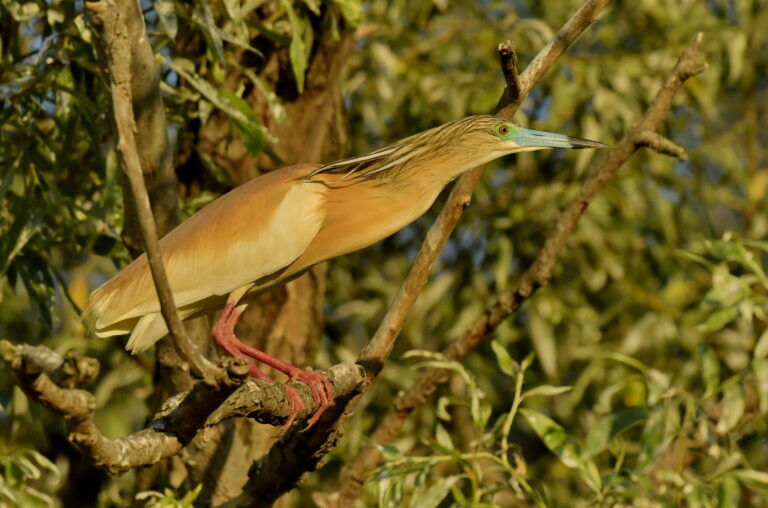
Herons and egrets are very common birds in the Delta.

In addition to the great egret and the little egret, one can find an abundance of squacco herons, black-crowned night herons, purple herons, grey herons, cattle egrets, great bitterns, and little bitterns. 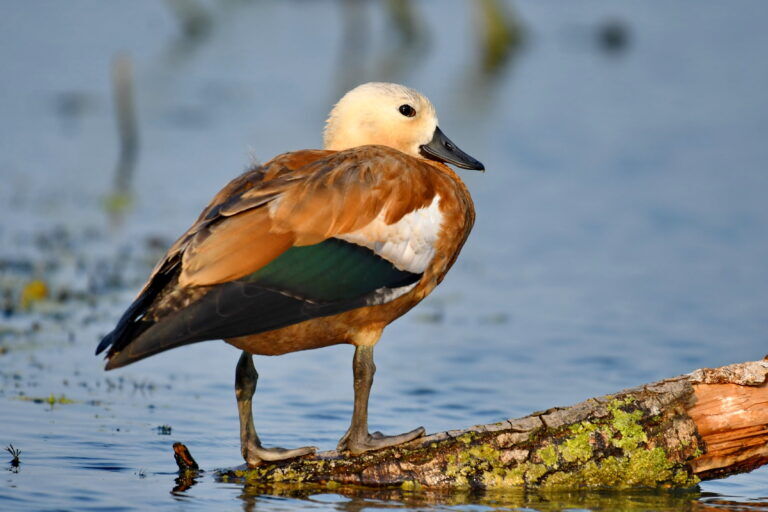
As the Danube Delta is a watery paradise, it is only natural that waterbirds are found here. From ducks and geese to swans and cormorants, moorhens and coots, sandpipers and stilts—all these birds add charm to the Delta and draw tourists to the region. 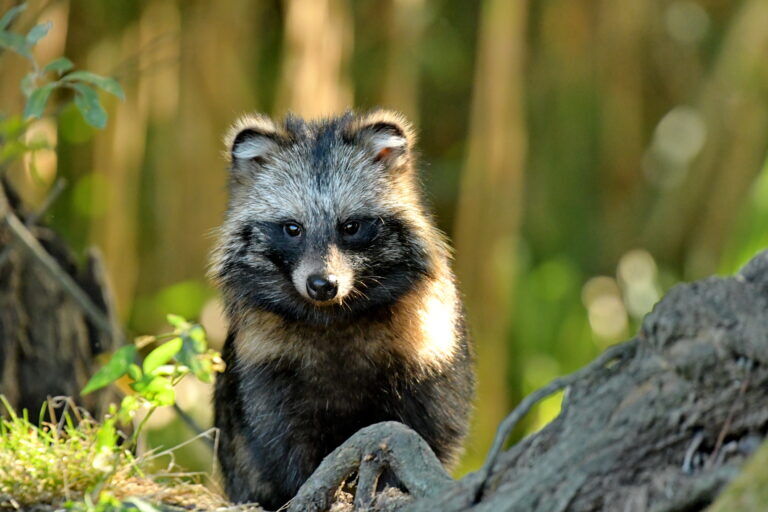
Among the most interesting species of animals are the raccoon dog, the golden jackal, the beech marten, the weasel, the otter, the mink, the wild boar, and the wildcat,etcSnakes, lizards, various types of frogs, a vast world of insects, butterflies, and dragonflies—this is the world of the Delta that we invite you to discover.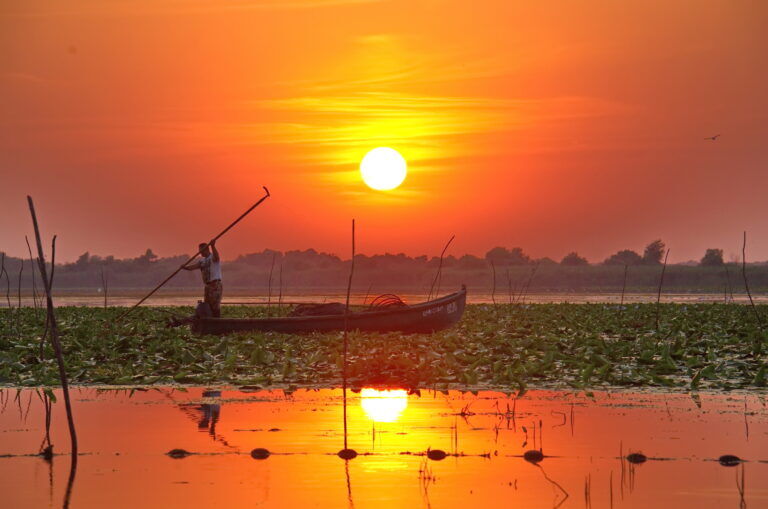
And while it is a world of birds and animals, the Danube Delta in Romania offers something else, too—something truly dreamlike: incredible landscapes. And it is by no means uninteresting to get to know the people who live here—those who fish, work, and populate the delta with their presence. 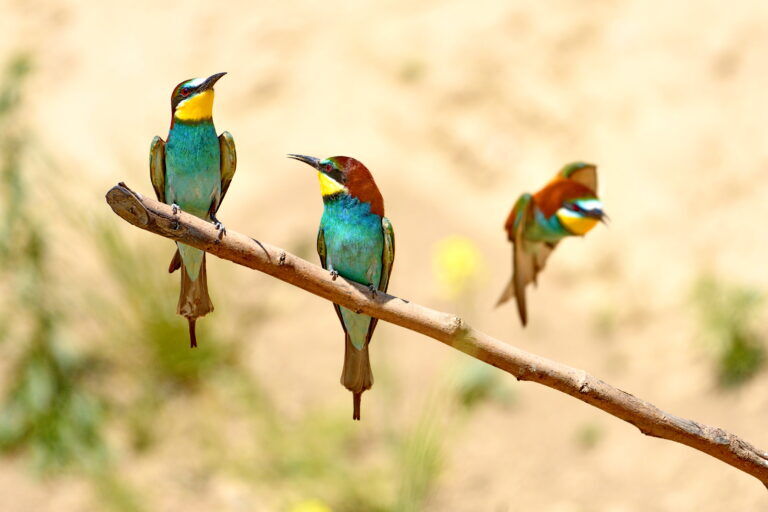
Year after year, exotic birds—adorned in every conceivable shade—offer us a truly remarkable spectacle. They certainly command attention; notable examples include the kingfisher, bee-eater, roller, golden oriole, rosy starling, and others. 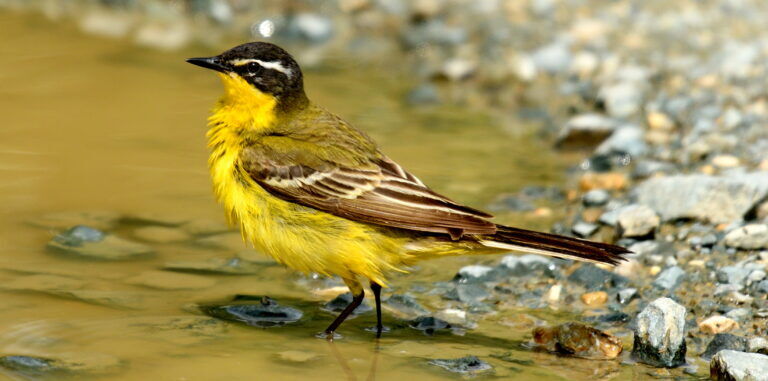
Among the many bird species in the delta, the songbirds stand out—most notably by their calls. Many of these are migratory, small-sized birds that inhabit areas with trees, shrubs, and thickets. Examples include warblers, nightingales, larks, robins, buntings, tits, and blackbirds, among others.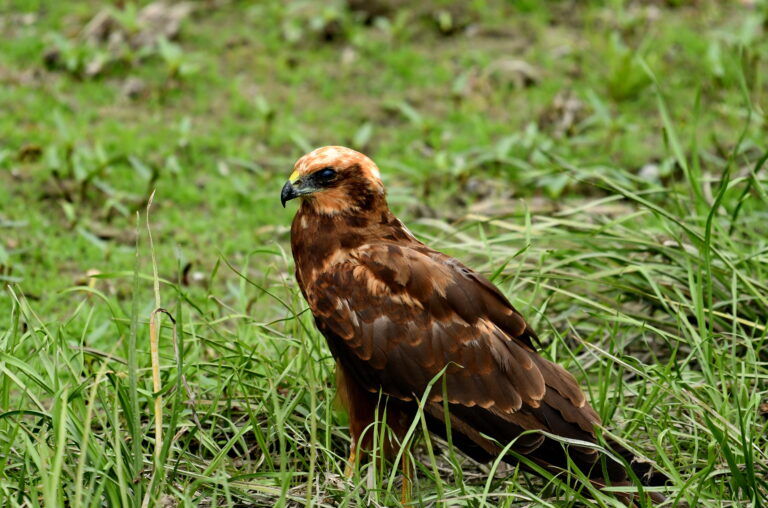
Birds of prey in the Delta—both diurnal and nocturnal—are well represented. In addition to the white-tailed eagle, our excursions offer opportunities to spot harriers, falcons, ospreys, honey buzzards, buzzards, and various eagle species.Tutte le specie di uccelli presenti nel Delta del Danubio, fotografate dalla vostra guida – Mihai Baciu Všechny ptačí druhy v deltě Dunaje, vyfotografované vaším průvodcem – Mihaiem Baciu Alle vogelsoorten in de Donaudelta, Roemenië, gefotografeerd door uw gids, Mihai Baciu Alla fågelarter som du kan se i Donaudeltat i Rumänien – fotograferade av din guide, Mihai Baciu. Alle Vogelarten, die Sie im Donaudelta in Rumänien beobachten können – fotografiert von Ihrem Reiseleiter Mihai Baciu. Toutes les espèces d’oiseaux que vous pouvez observer dans le delta du Danube, en Roumanie — photographiées par votre guide, Mihai Baciu. Wszystkie gatunki ptaków, które można zaobserwować w Delcie Dunaju w Rumunii – sfotografowane przez Twojego przewodnika, Mihaia Baciu.
All the bird species you can observe in the Danube Delta, Romania—photographed by your guide, Mihai Baciu. Toate speciile de pasari din zona Delta Dunarii si Dobrogea, fotografiate de catre ghidul dumneavoastra – Mihai Baciu
The birdwatching and wildlife photography tours we organize in the spring bring tourists face-to-face with species that are either migrating through or breeding in the Delta. It is the time when the first European bee-eaters or European rollers arrive from Africa, vast flocks of shorebirds occupy the riverbanks and seashores, birds of prey patrol the warm spring air, and pelicans begin their nesting season. The charm of these tours lies in the fact that you never—truly never—know what species you might discover next; everything is fresh, surprising, and spectacular.
Late spring and early summer offer equally spectacular excursions. Migratory birds have long since reached their nests, the chicks of species resident in the Delta are beginning to fledge and take flight, and waterbirds—grebes, in particular—populate the channels and lakes. And the mornings and sunsets—oh, there is something truly magical about heading out for birdwatching at sunrise. It is peaceful, filled with birdsong, and alive with the bustling activity of birds...
The end of summer and the beginning of autumn—as well as the period leading up to winter—mark a time of migration. Birds of prey take center stage as they glide toward Africa. Among the reed beds, one can find crakes, water rails, snipes, and many other birds seeking shelter and food in the marshes of the Delta. It is the season of cranes and departing pelicans, and of the first greater white-fronted geese to arrive. And let us not forget the red-breasted goose—a strictly protected bird that travels here from the north of the continent.
Come once and you have seen one version of the Delta. That is the honest pitch.
We had an absolutely wonderful 4 hour tour with Mihai, and it was truly one of the highlights of our trip. The scenery was spectacular…
Fykki
Google review
Great! Great! Great! And this could go on for ages. Wonderful moments spent on a boat in the Danube Delta. Wonderful people create a wonderful atmosphere…
Jan Smuga
Google review
A wonderful trip, with the chef on board who takes the time to show you all the beautiful places in the delta, knows everything about birds, provides you with all possible information, points out the birds, and teaches you…
Bruno Verhulst
Google review
One boat, a handful of people. Everyone gets the side of the boat they need.
Routes chosen on the morning, from wind, water level and yesterday’s sightings.
Low and slow, so you drift into a colony rather than announce yourself to it.
Beanbag rests, low angles, and the patience to wait for the bird to turn.
Dates, how many of you, and what you most want to see. You will get a reply from a person, not a booking system.
Messages go straight to Mihai. Expect a reply within a day, in English, Romanian, French or Italian.
Anything not covered here, just ask.
Not very. Most of the day is spent sitting in a boat. There is some walking on the Letea and Caraorman trips, over sand, but it is flat and we go at the slowest person’s pace.
A long lens earns its keep — 400mm and up. Bring a beanbag rather than a tripod; the boat is the tripod. Dust and spray are the real risks, so a rain cover and a blower are worth the space.
In season, almost certainly — the Delta holds the largest colony in Europe. Nobody can promise a particular species on a particular morning, and anyone who does is selling something.
Yes. Plenty of people come for the landscape, the fishing villages and the food. The itinerary works either way; say which when you write.
They are real, mostly from June, and worst at dusk in the reeds. Long sleeves and repellent handle it. Spring and autumn trips barely notice them.
Write with your dates and group size. You will get a reply from a person, not a booking system.